

On this page
- UAE visa options for Indians
- Weather, dress code, laws and getting around
- Dubai sights and a sample itinerary
- Abu Dhabi day trip: Ferrari World & the Grand Mosque
- Alcohol: duty free, shops and public rules
- Gold buying tips and Indian customs
- AED cash, cards and the USD peg
- Get AED and USD at OnSpot Forex
- FAQ
Dubai and Abu Dhabi are among the easiest holidays from India — short flights, English widely spoken, and excellent malls, food and attractions. This 2026 guide covers visas, etiquette, top sights, a Ferrari World day trip, alcohol rules, gold shopping and how to carry AED and USD. Rules change: trust the official links below, and call us for today's exchange rates.
UAE visa options for Indians (2026)
Per Dubai's official page “Do You Need a Visa to Enter Dubai?”, Indian nationals with a normal passport valid at least six months plus a valid US visit visa, US green card, or UK/EU residence visa (also valid at least six months) can get a visa on arrival for up to 14 days, extendable once for another 14 days on payment of the fee. Others need a prearranged tourist/visit visa. Passports need six months' validity; overstay fines are listed as AED 50/day.
ICP has also published related updates (including fee schedules for 14-day and 60-day categories) for Indian nationals with qualifying US / UK / EU visas or residence documents — see icp.gov.ae. GDRFA Dubai lists related visitor services on its portal.
Weather, dress code, local laws and getting around
Weather and best months
June to September is very hot and humid. Most Indian travellers prefer November to March for outdoor sightseeing and desert safaris. Summer trips still work if you focus on malls, indoor attractions and evenings.
Dress code and etiquette
The UAE is welcoming to tourists, but it is a Muslim country with clear public expectations:
- Dress modestly in malls, souks and government areas (shoulders and knees covered is a safe rule). Beachwear belongs at the beach or hotel pool.
- At the Sheikh Zayed Grand Mosque, follow the published dress code (abayas / modest clothing are required; check the mosque's visitor guidance before you go).
- Public displays of affection, loud arguments and disrespectful behaviour can attract fines. Do not drink alcohol in public.
- During Ramadan, avoid eating, drinking or smoking in public during fasting hours out of respect (hotels and some venues still serve guests discreetly).
- Ask before photographing people, especially families and women. Some government and military sites prohibit photography.
Nol card, metro, taxis and Careem
Dubai metro, buses and trams use the Nol card (buy/top up at stations). Official taxis and apps like Careem are widely used — prefer meter or in-app fares. Tipping is appreciated but not always required; many restaurants already add service charge. A small AED tip for good taxi or guide service is common.
Dubai sights and a sample itinerary
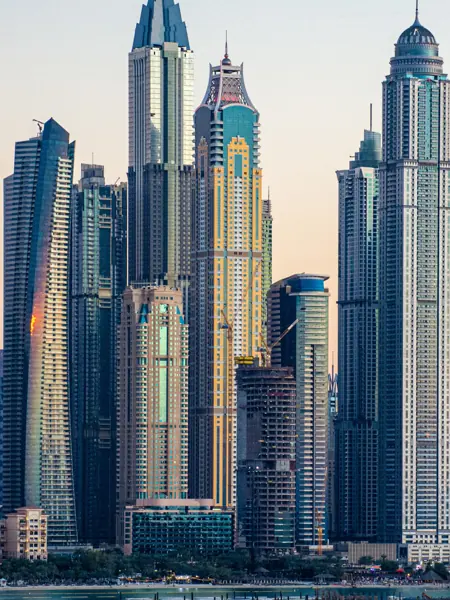
Burj Khalifa, Dubai Mall and the Fountain
Book Burj Khalifa “At the Top” for a timed slot (weekends fill fast). Dubai Mall next door has shopping and dining; Fountain shows run most evenings — check the day's schedule.
Dubai Marina and JBR
Walk the Marina promenade and spend an evening at JBR beach / The Walk — easy for families and sunsets.
Desert safari

Evening desert safaris usually include dune driving, dinner and entertainment. Book a reputable operator, confirm hotel pickup, and ask for a milder dune option if needed.
Old Dubai: Creek and abra
Cross Dubai Creek on a traditional abra between Deira and Bur Dubai, and walk the nearby spice and gold souk streets.
Museum of the Future and Palm Jumeirah
Museum of the Future needs advance tickets. Palm Jumeirah works well as an afternoon or evening for views and beach time.
Suggested 4–5 day Dubai itinerary
- Day 1: Downtown — Dubai Mall, Fountain, Burj Khalifa slot
- Day 2: Old Dubai Creek / souks + Marina or JBR evening
- Day 3: Desert safari (late afternoon start)
- Day 4: Palm Jumeirah or Museum of the Future + mall time
- Day 5: Abu Dhabi day trip (Ferrari World and/or Grand Mosque)
Abu Dhabi day trip: Ferrari World and Sheikh Zayed Grand Mosque
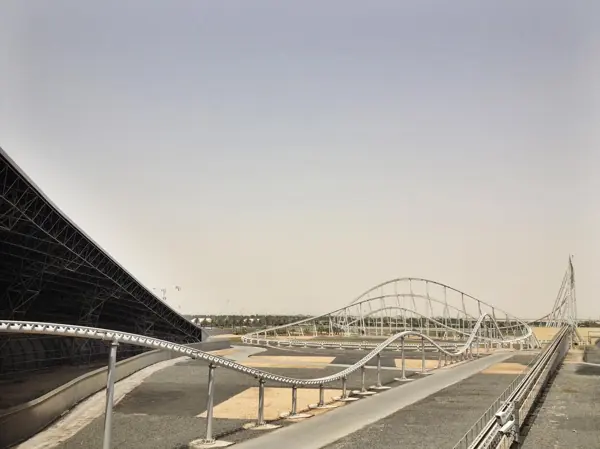
Ferrari World on Yas Island
Ferrari World Abu Dhabi is a large indoor theme park on Yas Island, famous for Formula Rossa and other Ferrari-branded rides. Check opening hours and ride height rules on the official Ferrari World website before you go. Ticket prices change with date and package — buy only from official or clearly authorised channels and treat any price you see online as subject to change.
Getting there from Dubai: By road it usually takes about 1.5–2 hours each way, depending on traffic and where you start. Use a taxi, licensed tour transfer, or Yas Island shuttle/bus services. Confirm pickup and return times the night before.
Tips: Arrive early for popular rides, use lockers, carry water, and keep AED or a card for food inside.

Sheikh Zayed Grand Mosque
A respectful half-day stop. Follow the mosque dress code and photography rules (women typically need an abaya; men need long trousers and covered shoulders). Check visitor hours and prayer times before you go.
Alcohol: duty free, licensed shops and public rules
It is not true that “there are no liquor shops in Dubai.” Licensed retailers such as MMI and African + Eastern operate in Dubai. Tourists of legal age can generally buy there with a valid passport under the retailers' tourist process (confirm in store; requirements can vary).
Since 2023, Dubai has eased alcohol retail rules (including the widely reported removal/suspension of a 30% municipality alcohol tax and free licences for eligible residents). Confirm current tourist purchase steps at MMI or African + Eastern.
Duty-free allowance on arrival
According to the Dubai Customs passenger FAQ, the duty-free allowance for arriving passengers includes alcoholic beverages not exceeding 4 litres, or 2 cartons of beer (each of 24 cans not exceeding 355 ml per can or equivalent). Buying at Dubai Duty Free in arrivals is often cheaper than hotel bar prices for the same bottles — but stay within the official allowance.
- Hotel and club bars are convenient and licensed — and usually expensive.
- Drinking alcohol in public (streets, beaches, parks) is illegal.
- Never drink and drive — UAE enforcement is strict.
Re-check Dubai Customs and your airline before travel; allowances and age rules can be updated.
Gold buying tips (Dubai Gold Souk and malls)

Dubai's Gold Souk in Deira and mall jewellery stores are popular with Indian shoppers:
- Check the purity hallmark (commonly 22K / 24K for Indian-style jewellery) and the weight on the tag.
- Ask for a proper tax invoice with shop details, purity, weight and price breakdown.
- Making charges are often negotiable — compare two or three shops before you buy.
- Check the day's gold rate (shops usually display it) so you understand the metal vs making split.
- For large purchases, pay by a method you are comfortable documenting for customs later.
VAT refund for tourists (Planet)
Overseas tourists can claim VAT refunds via Planet Tax Free (with the FTA). Per FTA guidance and Planet FAQs: buy from a Planet-registered shop (min. about AED 250 per tax-free transaction), keep the tax-free invoice, and validate before check-in when leaving. Refunds are generally 87% of VAT paid minus AED 3.60 per transaction. Services are not eligible — confirm with the jeweller that jewellery (and making charges on the invoice) is issued correctly for Planet. Rules can change.
Bringing gold back to India (CBIC baggage rules)
Do not rely on the old “men ₹50,000 / women ₹1,00,000” jewellery value caps. Under the Baggage Rules, 2026 (CBIC Notification No. 14/2026-Customs (N.T.), from 2 February 2026), the special jewellery allowance (up to 40 g for a female passenger / 20 g otherwise) applies only if you are a resident or tourist of Indian origin who has been residing abroad for more than one year. A short Dubai holiday generally does not qualify. Gold/silver other than ornaments sits outside normal free allowances (Annexure-I). When in doubt, use the Red Channel, keep invoices, and ask customs. Undeclared gold risks seizure and penalties.
AED cash, cards and the USD peg
Carry a modest amount of AED for arrival (taxi, tips, small buys). Dubai and Abu Dhabi are highly card-friendly — malls, metro top-ups, taxis/apps and restaurants widely accept cards — so a forex card is more useful here than in cash-heavy destinations. Keep some AED notes for tips and small vendors.
USD and the AED peg
The UAE dirham is pegged to the US dollar. The Central Bank of the UAE maintains the peg through foreign-exchange operations (official intervention rates published around 3.672–3.673 AED per USD; the long-standing mid-point commonly cited is 3.6725). See the CBUAE domestic market operations page. Because of the peg, carrying clean USD can still be handy, but for spending on the ground AED is what you need day to day. Buy both sensibly before you fly rather than depending only on airport counters.
Bottom line for Dubai/Abu Dhabi: modest AED cash + forex card (and/or international card) + optional USD is a balanced mix.
Get AED and USD at OnSpot Forex, Satellite
Buy AED and USD, or load a forex card, at OnSpot Currency Exchange in Satellite, Ahmedabad — competitive rates, clear document help.
- Address: 122, First Floor, Titanium City Center Mall, Near Sachin Tower, Satellite, Ahmedabad 380015
- Phone / WhatsApp: +91 87804 44705
- Hours: Monday–Saturday 10:30 am – 7:00 pm · Sunday closed
Bring your passport and travel ticket (and visa papers if required). Confirm documents on a quick call — then visit us. See currency exchange, forex cards, all services, or contact.
Frequently asked questions
Do Indians get a UAE visa on arrival?
According to Dubai's official visitor guidance (dubai.ae), Indian nationals with a normal passport valid for at least six months, plus a valid US visit visa, US green card, or UK or EU residence visa (also valid for at least six months), are eligible for a visa on arrival for up to 14 days, extendable once. Other travellers usually need a prearranged tourist or visit visa. Always re-check ICP / GDRFA / dubai.ae before you fly.
How much alcohol can I bring into Dubai?
Dubai Customs states that arriving passengers may bring up to 4 litres of alcoholic beverages, or 2 cartons of beer (24 cans of up to 355 ml each), within the duty-free passenger allowance. Drinking in public is illegal. Rules can change — verify on the Dubai Customs FAQ before travel.
Can tourists buy gold VAT refunds in Dubai?
Yes, if you buy from a Planet Tax Free–registered retailer and meet FTA tourist refund conditions (overseas tourist 18+, typically minimum AED 250 per tax-free transaction). You generally receive 87% of the VAT paid, minus AED 3.60 per transaction. Validate goods with Planet before check-in when leaving the UAE.
What is India's duty-free gold jewellery allowance after a short Dubai holiday?
Under India's Baggage Rules, 2026 (Notification No. 14/2026-Customs (N.T.)), the special jewellery allowance (up to 40 g for a female passenger / 20 g for other passengers) applies only to a resident or tourist of Indian origin who has been residing abroad for more than one year. A short tourist trip to Dubai does not qualify for that special weight allowance. Declare purchases honestly and keep invoices.
Should I carry AED cash or only a forex card?
Carry a modest amount of AED for arrival (taxi, tips, small purchases). Dubai is highly card-friendly, so a forex card or international card is more useful here than in cash-heavy destinations. A mix of AED cash plus a card works well. Buy AED and USD at OnSpot Forex in Satellite, Ahmedabad.
This guide is general travel-money information. Visa, customs, alcohol and tax rules come from the official sources linked above and may change. Exchange rates are never fixed on this website — please call or WhatsApp for today's rate.